Aging in Place or Moving to a Retirement Community? There’s No One-Size-Fits-All AnswerWhen it comes to your next chapter, the question isn’t simply, “Should I move?”A much

Dated: September 16 2026
Views: 9

When it comes to your next chapter, the question isn’t simply, “Should I move?”
A much better question might be:
“What do I want my life to look like over the next 5, 10 or 20 years?”
For some people, the answer is staying right where they are. Their home is filled with memories, familiar neighbours and the routines they love.
For others, a retirement community or independent-living residence offers something they value just as much: less maintenance, more social connection, convenient amenities and the ability to let someone else worry about the yard, snow and repairs.
And here’s the important part:
Neither choice is automatically the right one.
Your home. Your lifestyle. Your finances. Your family. Your future.
Those all matter.
There is something incredibly meaningful about staying in a home where you have built a life.
Maybe you've raised your children there. Maybe you know every neighbour on the street. Maybe your kitchen has hosted decades of Christmas dinners, birthday celebrations and Sunday mornings.
Those memories have value.
Aging in place can allow you to maintain your routines, your independence and the freedom to make decisions about your home and your day-to-day life.
But aging in place also means thinking ahead.
What happens if stairs become difficult?
What if maintaining the yard becomes too much?
Would your bathroom need modifications?
How close are you to grocery stores, medical services, friends and family?
And perhaps one of the biggest questions:
Who would help if you suddenly needed more support?
Planning for those possibilities doesn't mean you're giving up your independence.
It means you're protecting it.
For some people, the idea of moving into a retirement community sounds wonderful.
For others, the words alone make them say, “Absolutely not!”
And that's okay.
Today's retirement and independent-living communities can offer a very different lifestyle from what many people picture.
Depending on the community, residents may have access to social activities, fitness opportunities, common spaces, meals, transportation, maintenance services and other conveniences.
But perhaps the biggest benefit isn't a physical amenity at all.
It's connection.
For someone whose social circle has changed after retirement, losing a spouse, moving away from friends or simply having fewer opportunities to meet people, being surrounded by others can make a tremendous difference.
Coffee with neighbours.
A card game.
A fitness class.
A community event.
A spontaneous conversation in the hallway.
Sometimes those little things become a very big part of enjoying the next chapter.
This is where the conversation needs to go deeper than simply comparing the cost of your current mortgage to the monthly cost of a retirement residence.
If you're staying in your home, what are the ongoing costs?
Property taxes.
Utilities.
Insurance.
Repairs.
Roof replacement.
Yard maintenance.
Snow removal.
Potential accessibility renovations.
And potentially, in-home assistance.
On the other hand, a retirement community may have monthly fees that cover some combination of maintenance, amenities or services.
The important thing is to compare your actual lifestyle costs, not just the headline number.
A financial professional can help you understand the implications based on your individual circumstances.
This is another area that deserves an honest conversation before a decision becomes urgent.
If you're aging in place, think about accessibility and how your home could work for you in the future—not just today.
Could you comfortably enter and exit the home?
Is the bedroom on the main floor?
Would a bathroom be easy to use if mobility changed?
How far are you from medical services?
If you live rurally or outside a major centre, how would winter weather or transportation affect you?
And if you're considering a retirement community, understand exactly what services are offered—and what happens if your needs change.
Don't assume. Ask.
The goal isn't to predict the future.
It's to be prepared for it.
One of the biggest reasons people eventually consider moving isn't necessarily the house itself.
It's everything that comes with the house.
The grass still needs cutting.
The driveway still needs clearing.
The furnace still needs servicing.
The gutters still need cleaning.
And that little leak under the sink isn't going to fix itself.
For some homeowners, that's no big deal.
They enjoy maintaining their property and aren't ready to give that up.
For others, the idea of handing those responsibilities over is incredibly appealing.
There's no right answer.
It's about deciding what you want to spend your time—and your money—doing.
Your home may be perfect today, but is its location going to work for you later?
Consider:
These questions are especially important when you're looking at an acreage or a home in a more rural setting.
Sometimes the house isn't the issue.
The location is.
This is one of the biggest fears I hear when people start talking about rightsizing.
"I don't want someone telling me what I can and can't do."
Completely understandable.
Staying in your own home can provide a tremendous amount of freedom.
But independence can also look different in a retirement community.
Having fewer maintenance responsibilities doesn't necessarily mean giving up your independence.
It may simply mean choosing to spend your time differently.
Instead of spending Saturday morning cutting the grass, perhaps you're meeting friends for coffee.
Instead of shovelling the driveway, you're heading out for lunch.
Instead of worrying about a repair, you make a phone call.
Independence isn't necessarily about doing everything yourself.
Sometimes it's about having the freedom to choose what you want to do with your time.
This is perhaps the most important message I want people to take away.
You don't have to make a decision just because you're thinking about it.
You don't have to list your home.
You don't have to move.
You don't have to choose a retirement community.
And you certainly don't have to make a major life decision because someone else thinks it's time.
What you can do is start gathering information.
Visit communities.
Talk to your family.
Speak with your financial advisor.
Understand your legal documents.
Look at your home objectively.
Explore what modifications could make aging in place easier.
Understand what services are available in your community.
And start thinking about what you want your next chapter to look like.
This is exactly why I prefer the word rightsizing over downsizing.
Downsizing can sound like you're losing something.
Rightsizing is about asking:
“Does the home I'm living in still fit the life I want to live?”
Maybe the answer is yes.
Maybe you love your home and want to stay for another 20 years.
Fantastic.
Let's talk about what you can do now to make that possible.
Maybe your home has become more work than you want.
That's worth exploring too.
Maybe you'd love a smaller home, less maintenance, more travel, more time with family or a community where you can meet new people.
That's worth exploring.
And maybe you're simply not sure yet.
That's okay too.
One of the biggest reasons I became a SRES® — Seniors Real Estate Specialist® was because of my own family's experience.
I've seen how overwhelming these decisions can become when families are suddenly forced to make them because something has happened.
My goal isn't to tell you when it's time to move.
My goal is to help you understand your options before you need to make a decision.
Because when you have information, you have choices.
And when you have choices, you can make decisions on your own terms.
Whether your future involves staying in the home you've loved for decades, moving into a community, travelling more, spending more time with family, or simply making life a little easier, there isn't one definition of what retirement is supposed to look like.
Your next chapter should fit you.
Not your neighbour.
Not your children.
Not your friends.
You.
If you're beginning to wonder what your options might look like, let's simply have a conversation.
No pressure. No obligation. No expectation that you're moving.
Sometimes the best first step isn't making a decision.
It's knowing what's possible.
Petra Meyn | REALTOR®, SRES®, RENE®
Royal LePage Prestige Realty
 Integrity. Relationships. Results.
#WhoIsPetra #CommunityOverCompetition #Rightsizing #SRES #SeniorRealEstateSpecialist #AgingInPlace #RetirementLiving #NextChapter #Leduc #Beaumont #LeducCounty
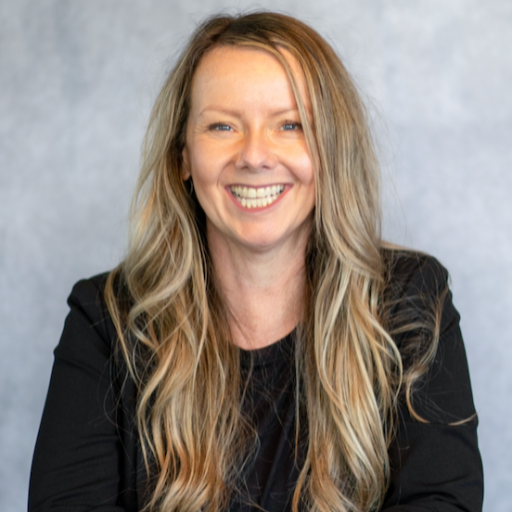
Looking for a knowledgeable and reliable real estate professional in Greater Edmonton, Leduc, or Beaumont?As a lifelong resident of the Leduc area and current Beaumont homeowner, I offer deep local in....
Aging in Place or Moving to a Retirement Community? There’s No One-Size-Fits-All AnswerWhen it comes to your next chapter, the question isn’t simply, “Should I move?”A much
Over the past couple of years, I’ve had the true privilege of hosting Rightsizing 101—a series of community panel information sessions designed to support seniors and their
As we wave goodbye to the warm days of summer and feel that crisp, familiar shift in the air, many of us naturally start looking inward. Last time, we talked about sorting through a lifetime of
Moving from BC to Alberta? The Property Tax Difference Every Senior Needs to KnowMoving from BC to Alberta? The Property Tax Difference Every Senior Needs to KnowHappy Seniors’ Week, Alberta!
 Copyright 2026 by the REALTORS® Association of Edmonton. All rights reserved.
Data is deemed reliable but is not guaranteed accurate by the REALTORS® Association of Edmonton.
The trademarks REALTOR®, REALTORS® and the REALTOR® logo are controlled by The Canadian Real Estate Association (CREA) and identify real estate professionals who are members of CREA. The trademarks MLS®, Multiple Listing Service® and the associated logos are owned by CREA and identify the quality of services provided by real estate professionals who are members of CREA. Used under license.
Information last updated on September 23, 2026 11:59 PM UTC
Copyright 2026 by the REALTORS® Association of Edmonton. All rights reserved.
Data is deemed reliable but is not guaranteed accurate by the REALTORS® Association of Edmonton.
The trademarks REALTOR®, REALTORS® and the REALTOR® logo are controlled by The Canadian Real Estate Association (CREA) and identify real estate professionals who are members of CREA. The trademarks MLS®, Multiple Listing Service® and the associated logos are owned by CREA and identify the quality of services provided by real estate professionals who are members of CREA. Used under license.
Information last updated on September 23, 2026 11:59 PM UTC
The property information on this website is derived from Royal LePage listings and the Canadian Real Estate Association's Data Distribution Facility (DDF®) . DDF® references real estate listings held by brokerage firms other than Royal LePage and its franchisees. The above information is from sources believed reliable, however, no responsibility is assumed for the accuracy of this information. Contact information is provided to facilitate inquiries from consumers interested in real estate services. Please do not contact the website owner with unsolicited commercial offers.
The MLS® mark and associated logos identify professional services rendered by REALTOR® members of CREA to effect the purchase, sale and lease of real estate as part of a cooperative selling system.
The trademarks REALTOR®, REALTORS® and the REALTOR® logo are controlled by The Canadian Real Estate Association (CREA) and identify real estate professionals who are members of CREA. The trademarks MLS®, Multiple Listing Service® and the associated logos are owned by CREA and identify the quality of services provided by real estate professionals who are members of CREA.
All offices are independently owned and operated, except those marked as indicated. View important disclosures and notices about Royal LePage® trademarks at rlp.ca/notices. © 2026 Bridgemarq Real Estate Services®. All rights reserved.